Loading article…
Exoplanet The first confirmed detection of an exoplanet was in 1992 around a pulsar, and the first detection around a…
A different planet, first detected in 1988, was confirmed in 2003.
Exoplanet The first confirmed detection of an exoplanet was in 1992 around a pulsar, and the first detection around a…
A different planet, first detected in 1988, was confirmed in 2003.
Dark matter Dark matter is implied by gravitational effects that cannot be explained by general relativity unless more matter…
Such effects occur in the context of formation and evolution of galaxie…
Supernova A supernova occurs during the last evolutionary stages of a massive star, or when a white dwarf is triggered into…
The original object, called the progenitor, either collapses to a neutr…
James Webb Space Telescope It is the largest telescope in space, and is equipped with high-resolution and high-sensitivity instruments…
This enables investigations across many fields of astronomy and cosmolo…
Neutron star It results from the supernova explosion of a massive star—combined with gravitational collapse—that compresses the…
Surpassed only by black holes, neutron stars are the second-smallest an…
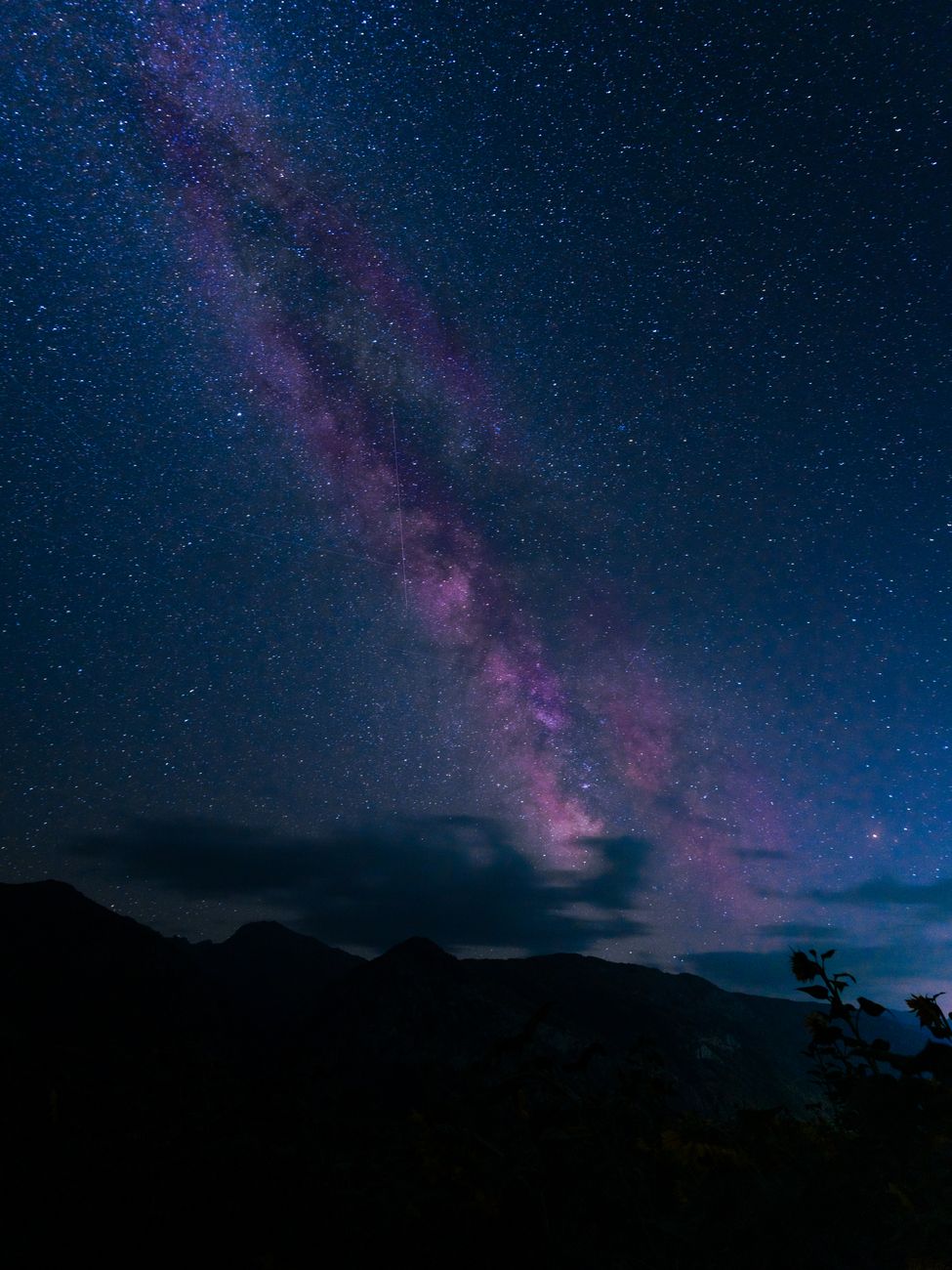
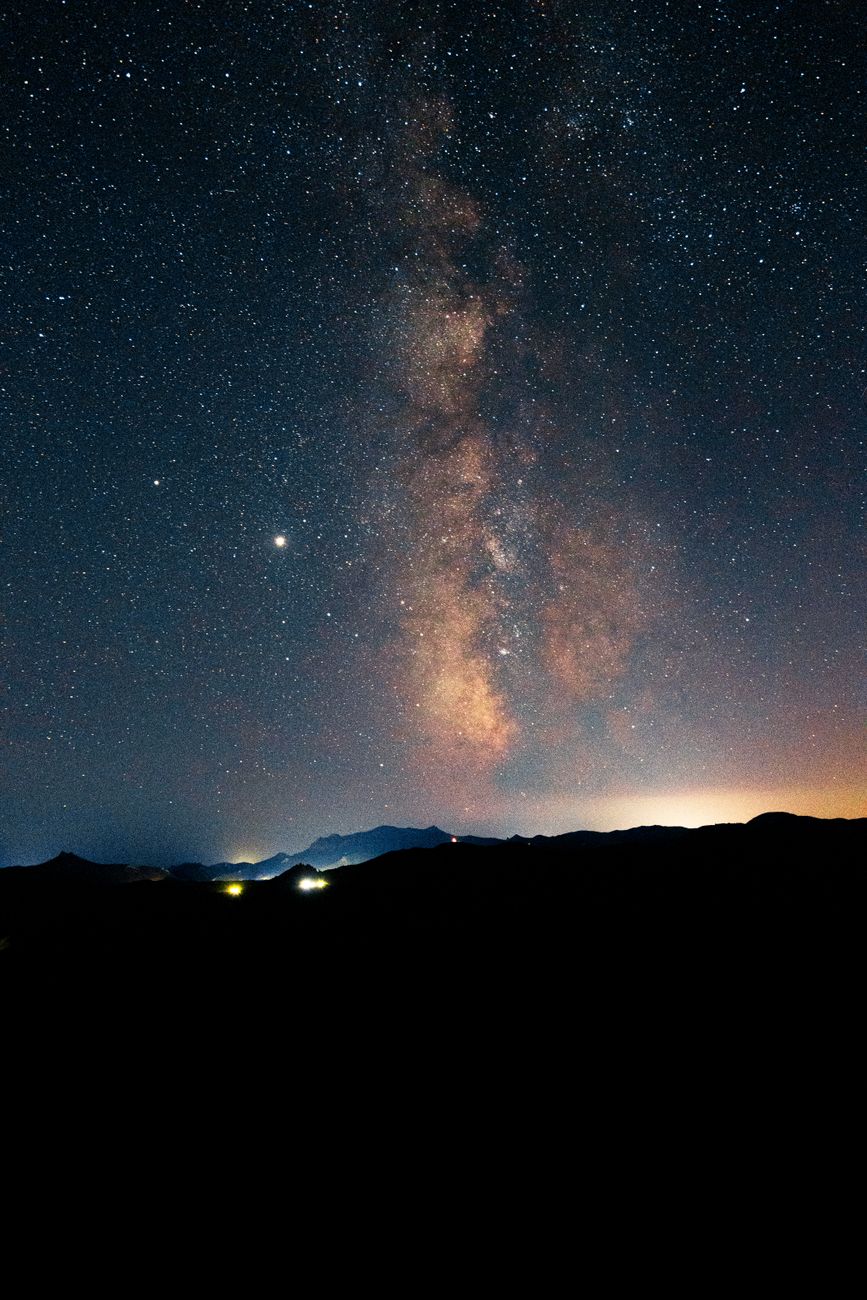
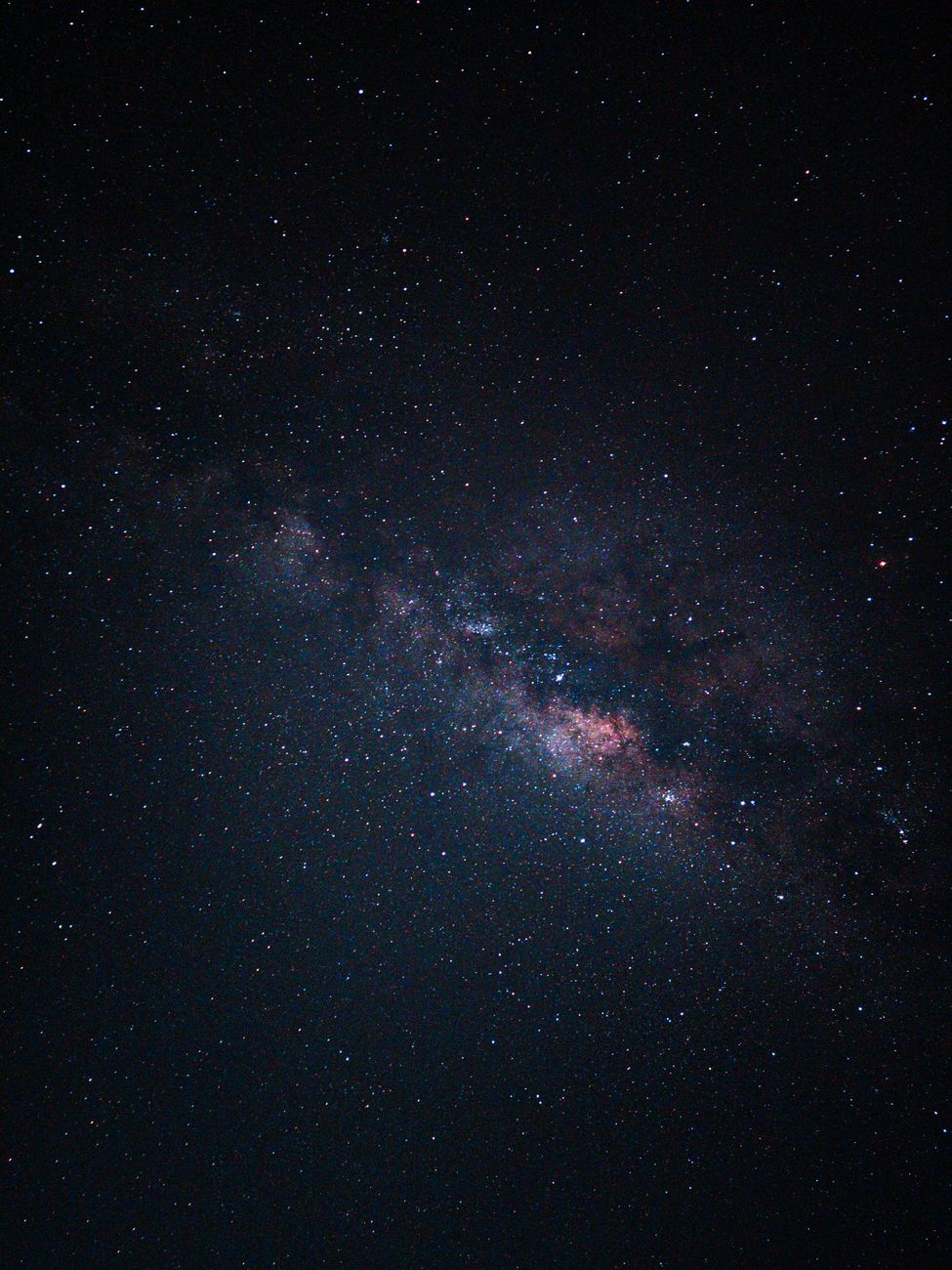
Milky Way The Milky Way or Milky Way Galaxy, or simply the Galaxy, is the galaxy that includes the Solar System, with the…
The Milky Way or Milky Way Galaxy, or simply the Galaxy, is the galaxy…
Kuiper belt It is similar to the asteroid belt, but is far larger—20 times as wide and 20–200 times as massive.
Like the asteroid belt, it consists mainly of small bodies or remnants…
Aurora: Earth's Natural Light Display. These collisions produce vivid colors like green, red, and purple.
Auroras occur at high latitudes and have different names based on location: northern lights.
Loading article…
kik · media · clearer copy · no posts · no messages